

Food Introduction with Babies
Baby Lead Weaning, Division of Responsibilities, Finger Feeding, Pace feeding are all methods of feeding that can feel overwhelming to sort through when looking at food introduction. Working with families I often get asked, How do I start foods? What foods are “best” to start with? Fears of addition to “sugar” or fear of foods being to harsh are all common thoughts families have.
As a Dietitian lets take a look at foods - We all need food to survive and it’s important to start food introductions when babies are ready. How to know if you’re baby is ready for foods? - Click here: Article written by a Pediatrician - AAP found on healthychildren.org that is packed with tips and ideas! I won’t make you read down to the bottom of the article but I recommend Iron rich foods first. This might seem odd, but babies are born with iron stores that last till about 6 months at this time it’s a great chance to start offering pureed or very finely chopped iron rich foods such as beans, soft shredded chicken, ground turkey and peanut butter.
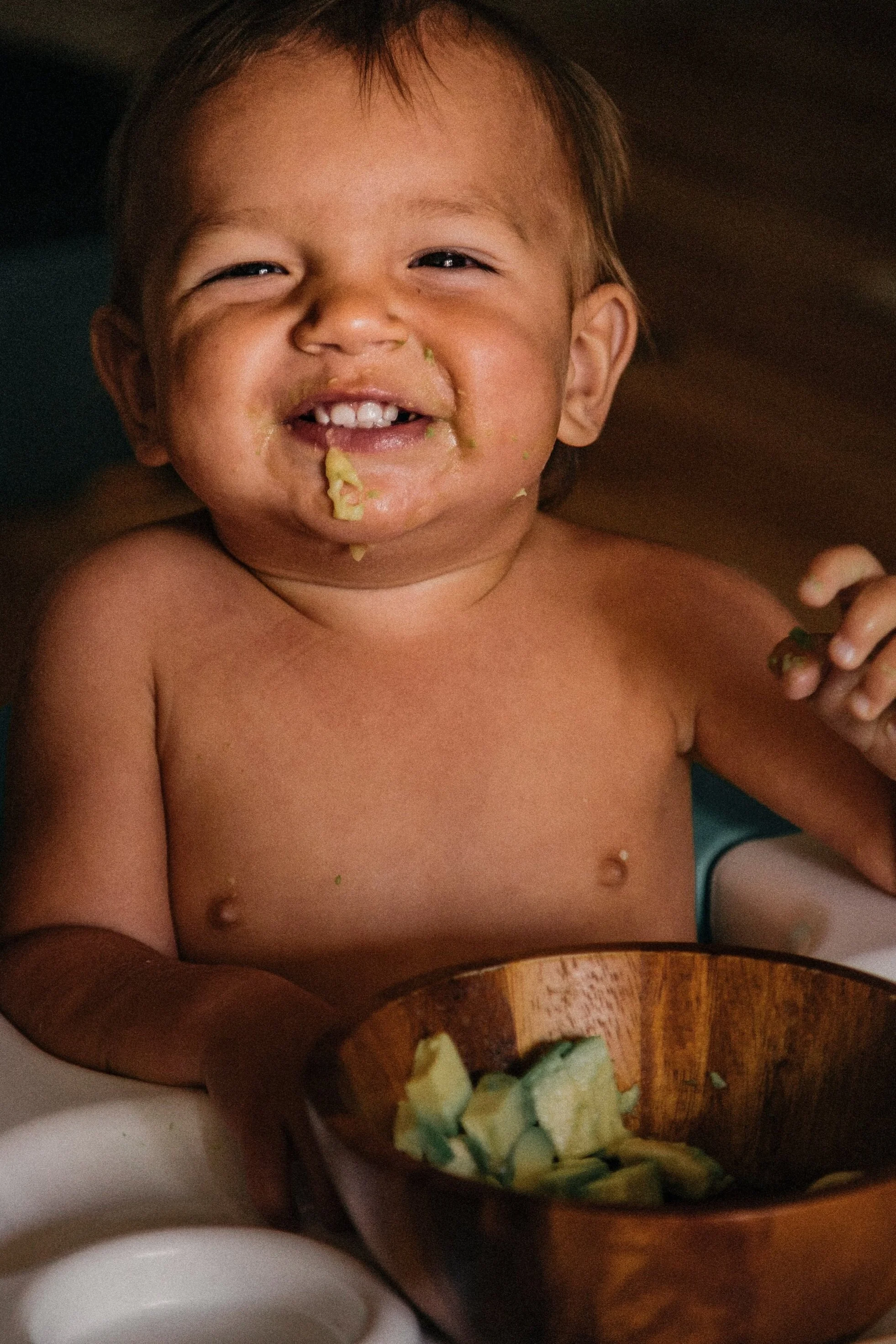
Some families are intimidated about offering such “strong” foods first and that’s ok. It’s natural to feel that way.
Often when babies are eating any foods, they might not like it no matter what it is that is offered. When introducing foods it can be over stimulating with the new textures, temperatures, consistency, learning to chew, the flavor and more. Not to mention that they are still learning to control their own faces. I have a few tips that I hope answer your major questions and help you feel confident!
Did you know it can take 8-15x of exposure to a new food before a baby TRIES a new food? It can take even longer before they accept it some studies show 30 - 100x of exposure! If you take anything away, don’t be afraid to keep offering and keep exposing baby to the foods as it can take time for them to accept it. Also them seeing you normalize and eat the food is show to help as well!
1st - Lets Watch for Allergies - When watching for food allergies it’s important to wait to offer new foods for 2-5 days. It’s ok to keep offering safe foods between new foods but when introducing a new foods waiting to see if there are any reactions such as skin bumps, stomach sensitivities (vomiting, diarrhea), or a rash note that food and avoid that until you can speak to a doctor about the particular food. Bowel changes such as “bulking” making it more formed can be normal related to added fiber from foods. If at any point, you are concerned there’s blood, or drastic changes always seek medical advice.
If you have food allergies in your family, discuss safe introduction with doctor before offering foods. Depending on severity, some doctors offer in office testing. If offering a high allergy food, taking a small amount and rubbing it on their lips is a great way to start a introduction safely. Example is a small pea size amount of peanut butter on a babies lips and waiting a few days before offering again to make sure it’s a safe food. *As always consult with a doctor regarding any concerns or family history with food allergies.
2nd - Expectations for Eating - Often many families are concerned that their baby didn’t “eat enough”. Think about food introduction as truly an introduction. If we try a few bites, and they make a face and keep turning away from the food offered, they might not like it and it’s ok to be done for the feeding. With all the new textures, flavors, temperatures and general “newness” it’s ok if they only had the one bite. The key is consistency, once you know foods are safe, offering small bites throughout the day are great to help with exposure. These first few months are really about introduction and formula or breast milk will still be their source of nutrition. When it’s closer to 9 months (liberally stated could be 8-10 months) most babies are eating 3 “meals/ feedings” and starting snacks with several bottles still.
Food becomes he main source at 1 year. It’s a sliding scale, we start small with bites of food then continually growth with foods. You will notice the more foods they consume in a feeding, the less formula they will need after a feeding. Example if they eat a 2- 4oz jar of foods, they might drink only 4oz of formula instead of their “normal” 6 or 8oz. Tying this together with food introduction, starting with small bites is a great place to be. It can be pureed foods or small pieces of foods (that you can pinch through) are perfect places to start.
3rd - First Foods - Iron rich foods are especially great for nursing babies but are equally just as good to offer for formula babies. Related to their iron stores offering foods that will help promote their iron levels is specifically important at this age. I like to recommend setting aside any meat or protein your family is eating for the baby. Example - If you guys are making burgers for dinner - Cook your ground beef or turkey, set a little aside without seasoning and offer pure cooked ground beef for baby at meal time. Small pieces chopped up, that are soft and possible for spoon feeding or small amounts that babies can pincher grasp for themselves. A few examples of iron rich foods to offer are Beans, Peanut butter, Ground Beef, Ground Turkey, Chicken, Pork, Fish (Canned Tuna :), some Tofu are all great protein iron rich sources to start to slowly add to their reparatory.
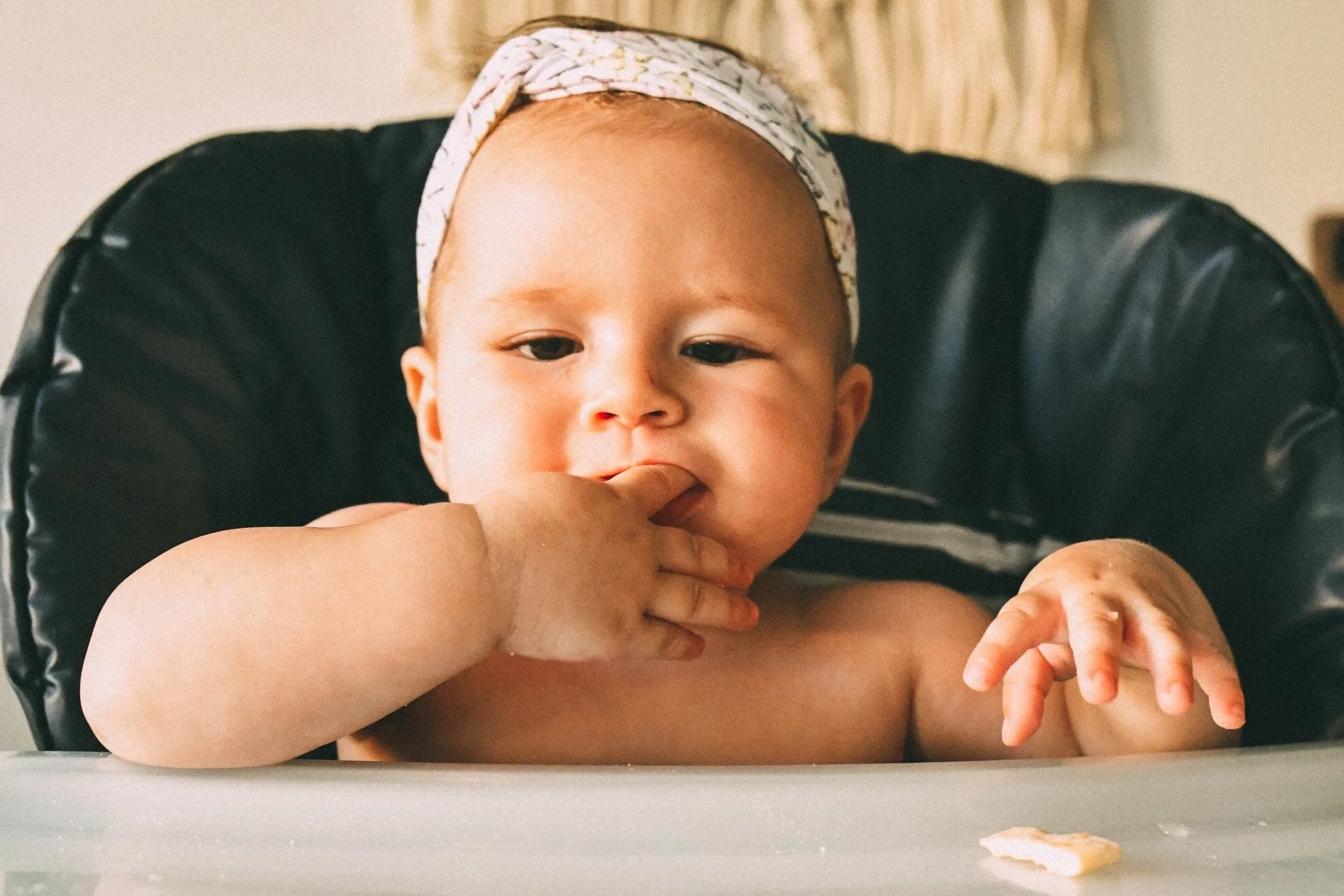
One way to do this is to take a small amount out of a jar of food, or prepared foods for baby before the spoon has been used and put the “extra” food back in the fridge. Once the spoon has been in a parent or babies mouth and goes into the food the food then is “contaminated” with the bacteria and a timer is started for how long the food is good for. Baby portioning a small amount first, and using that helps prevent waste and keeps the baby healthy. If the food is too thick to pinch through or too tough, cut it into small small pieces almost like mincing it to help make it more palatable. Cutting it with a knife and offering is a safer food practice than offering a pre-chewed food for baby. Read more food safety tips here!
5th - Choking Vs. Gaging - As important as the actual foods we pick, it’s important to have the knowledge and power to help if a baby is choking. Gaging can be a normal part of the learning process but signs to watch for with Gaging are very important. Just as important as seeing those signs is knowing what to do once you see those signs! Shannon Trip has this very informative video that provides steps to provide safety and confidence with food introduction!
Food introduction can be scary for a new family or families that haven’t had kids for a while. It doesn’t have to be with the right tools! I do offer sessions that can go over more in depth on the foods to offer, how to keep breastfeeding supply up, watching for new signs of hunger and fullness with foods and building confidence with navigating food allergies. Click here to book a Consultation or Here to Connect and ask questions!
Until next time!
